|
Having trouble viewing this email? View it in your browser. |
|
|
 |
|
HACCP Australia Newsletter |
|
|
|
HACCP Australia showcases the best food safe equipment and hygiene practices |
|
|
 |
|
|
 |
|
|
|
Industry Insight
Foreign Material Inspection: Mitigation Strategies for Your Product |
|
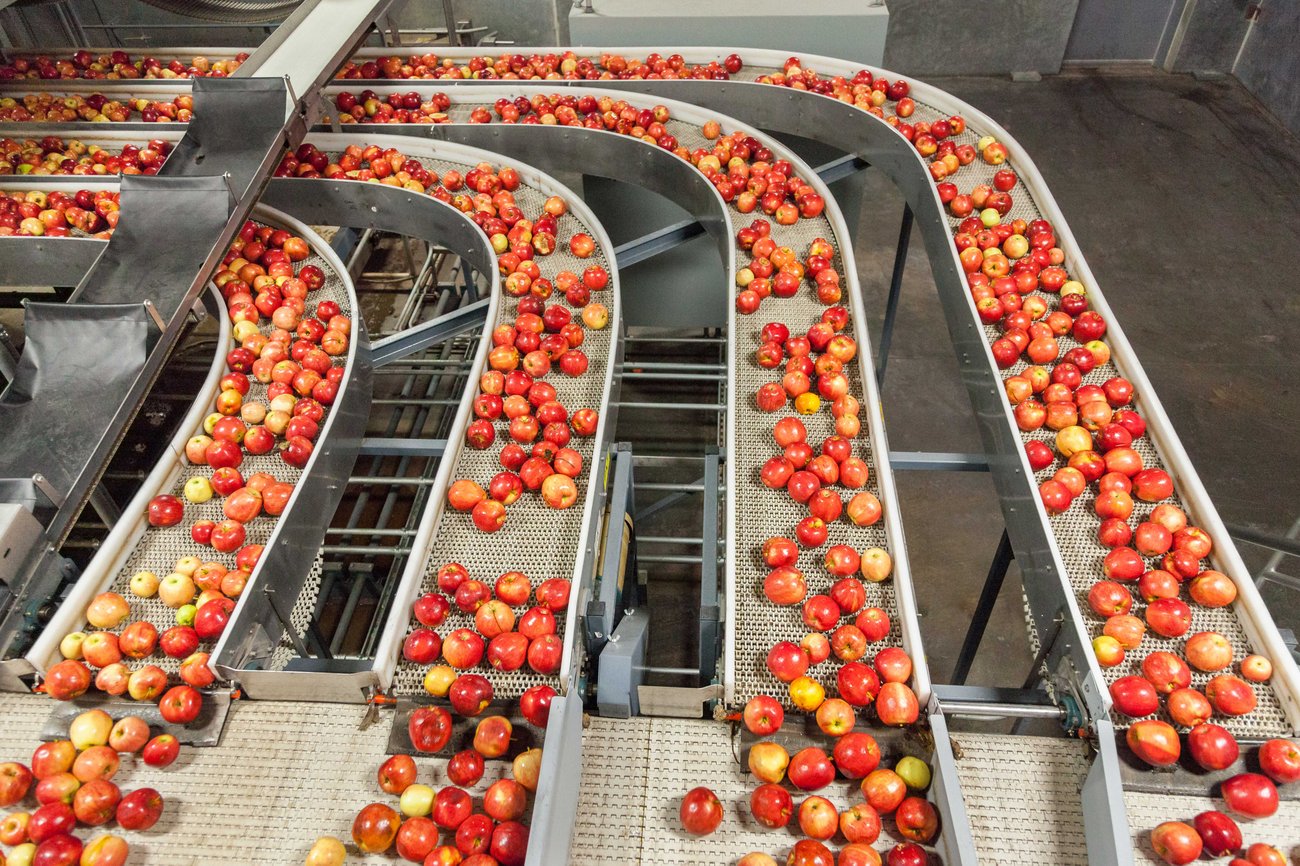
Physical contamination remains one of the most persistent and costly risks in food manufacturing. Metal, glass, plastic, wood and stone can enter a product at almost any stage, whether introduced during processing or already present in raw ingredients.
Even overlooked equipment, like lighting fixtures, can become a contamination source if it is not designed with fragment retention in mind. Sources fall into two broad categories: naturally occurring hazards such as bone fragments, pits and seeds, and hazards introduced during production such as metal shavings or equipment debris.
No single detection method catches everything. The strongest programs layer inspection technology, including metal detection, x-ray and AI-assisted vision, with strong supplier verification and equipment maintenance schedules.
Root-cause analysis when issues recur, a food safety culture that treats physical hazards with the same rigour as microbiological and chemical risks, and a clear response plan for isolating affected product all matter just as much as the technology itself.
Read the full breakdown of mitigation strategies and where physical hazard control fits within a HACCP-based food safety programme |
| Read More |
|
|
 |
|
|
|
Professional Development
HACCP can be more than a compliance requirement |
|
|
|
For food businesses looking to grow, a strong HACCP programme can do more than support food safety. It can help win new customers, secure contracts and open new markets.
Retailers, foodservice operators, distributors, government buyers and export customers increasingly expect suppliers to demonstrate robust, documented food safety systems. In competitive procurement, being able to prove your processes are properly documented, validated and implemented can make the difference.
A well-developed HACCP programme can also improve process control, reduce waste and rework, and support more consistent production as a business grows.
For food safety professionals, advanced HACCP knowledge is therefore about more than compliance. It can help you strengthen risk management and contribute directly to business growth.
Ready to take your HACCP skills further? HACCP Australia’s Advanced HACCP Training builds practical skills in developing, implementing and maintaining effective HACCP programmes.
|
| Learn More and Enrol Now |
|
|
 |
|
|
|
Industry Insight
HACCP Australia Technical Director Featured in Inside FMCG Food Fraud Article |
|
|
|
Following ABC Four Corners' reporting on food fraud and authenticity in the Australian supply chain, HACCP Australia's Technical Director Martin Stone spoke to Inside FMCG about what businesses can do beyond paperwork.
His message: documentation alone won't catch fraud. A risk-based supplier assurance program, one that flags higher-risk ingredients, unusual claims and complex supply chains, needs backing from audits, testing and supplier visits.
"Traceability can tell you where a product came from and where it went," Stone said. "Verification asks whether the information itself can be trusted."
|
| Read More |
|
|
|
|
 |
|
|
|
Client Spotlight
Have You Considered the Food Safety Risk Under Your Product? |
|
When reviewing potential food safety risks, pallets might not be the first thing that comes to mind. But for food and beverage manufacturers, the equipment and materials used to move and store products can be just as important as those used on the production line.
Pallets can travel through production areas, warehouses, cold storage facilities and distribution centres, potentially coming into close proximity with food, ingredients and packaging along the way. Depending on their construction, condition and how they are managed, they can introduce risks including moisture, pests, splinters, dirt and other foreign matter.
That means pallet selection should be considered anywhere pallets form part of a food business's manufacturing, storage or distribution process, particularly when reviewing supplier approval, prerequisite programmes, contamination controls or preparing for an audit.
Australian pallet manufacturer CMTP provides a useful example. Its Pal-giene™ hygiene pallets have been independently assessed and certified by HACCP International as suitable for use in food environments. The certification considers potential food safety hazards associated with the product and its manufacture, giving food businesses additional assurance when selecting pallets for their operations.
For food safety and quality teams, the broader lesson is simple: don't stop your risk assessment at the production line. Pallets, shelving, flooring, cleaning equipment, lubricants, pest-control products and many other materials used around food can all affect the food environment.
When was the last time you looked at what's underneath your product?
|
| Read More about CMTP's HACCP International Certified Hygiene Pallets. |
|
|
|
Regional Update
What's Going on in the Pacific? |
|
|
|
|
|
The Fiji Meat Industry Board (FMIB) officially achieved internationally recognised HACCP Australia Certification in May 2026, with the formal handover announced on July 17, 2026. |
|
|
|
|
|
Momentum is building across the Pacific as more food businesses adopt HACCP protocols to meet buyer expectations and open new markets.
In Fiji, HACCP Australia continues to work alongside Business Link Pacific to support food producers, manufacturers and hospitality operators as they build capability. The Fiji Meat Industry Board recently achieved HACCP Australia certification, strengthening its food safety credentials and supporting its readiness for regional and international markets. FMIB described the certification as an important step in building consumer confidence and creating new opportunities for export growth.
In Papua New Guinea, the Crown Hotel has rolled out the CCP Food Safety Programme®, a practical framework for hospitality businesses to manage key food safety risks and lift staff awareness. Samoa, Tonga, Solomon Islands and Vanuatu are seeing similar movement as businesses build the food safety credentials that international and regional buyers expect.
For Pacific food businesses, HACCP certification is proving to be more than a compliance box to tick. It’s becoming a pathway to new customers, stronger market confidence and greater export readiness.
|
| Read More |
|
|
|
|
|
Event Spotlight
ISSA Cleaning & Hygiene Expo Comes to Melbourne |
|
|
|
The ISSA Cleaning & Hygiene Expo returns to the Melbourne Convention and Exhibition Centre on 8–9 October 2026, bringing the cleaning and hygiene industry together for two days of exhibitions, education and networking.
On Friday 9 October, HACCP International Certification Manager Rachel Meryment will join an expert panel for Can You Prove It’s Clean?, exploring how verification is changing the way organisations approach cleaning and hygiene.
For anyone responsible for cleaning, hygiene, food safety, quality or procurement, the session offers a practical look at how evidence based cleaning can build greater confidence in both processes and outcomes. |
|
|
|
While at the Expo don't forget to visit the following HACCP International Certified exhibitors: |
|
|
|
|
|
|